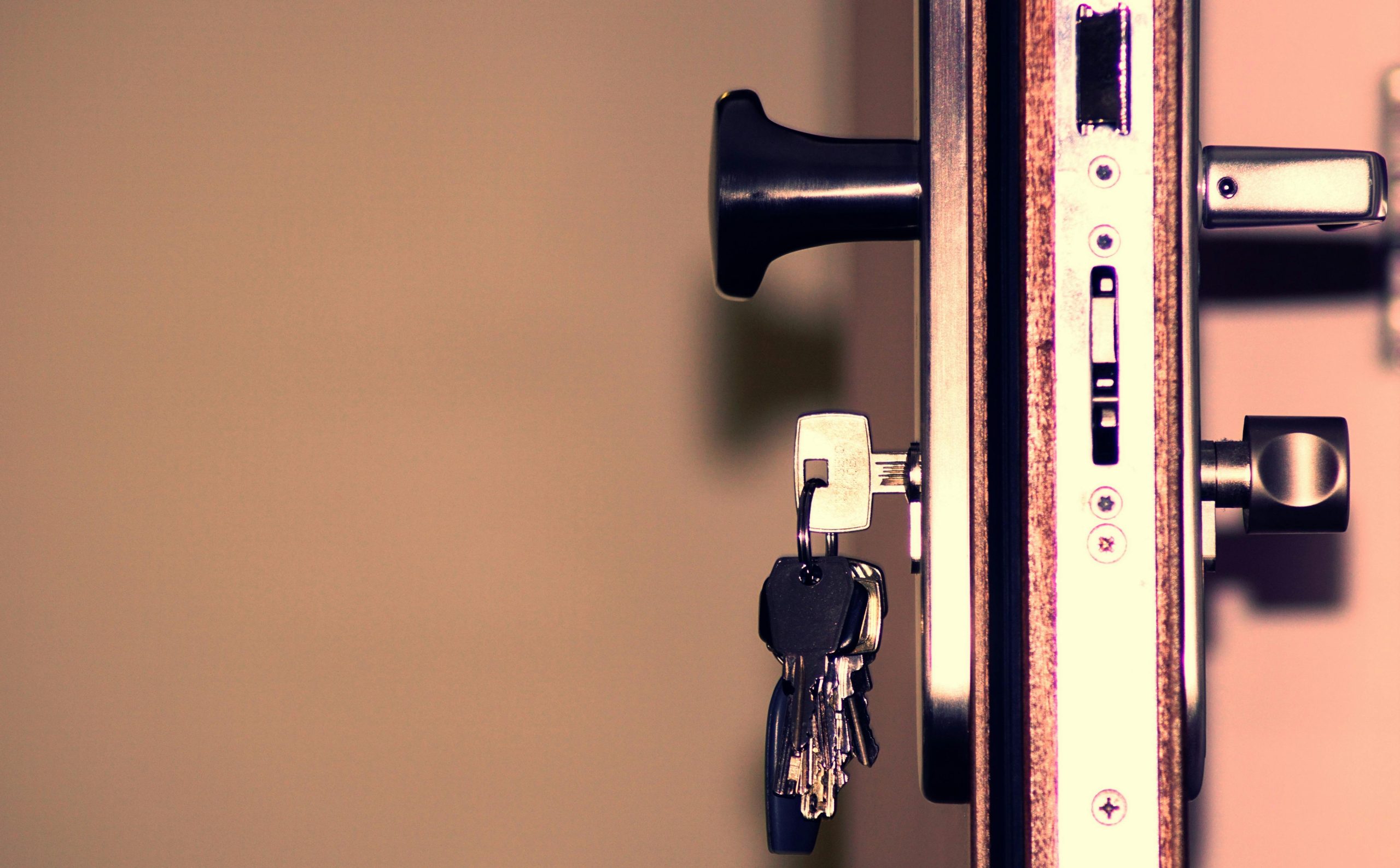


When faced with a lockout situation, whether it’s from your home, car, or office, the initial response is often one of panic and frustration. Understanding the situation is crucial to effectively addressing the problem. A lockout can occur for various reasons: a lost key, a malfunctioning lock, or even a broken key stuck in the ignition or door.
Each scenario presents its own set of challenges and requires a tailored approach to resolve. For instance, if you’ve lost your house keys, you may find yourself standing outside in inclement weather, feeling vulnerable and anxious about your belongings left inside. Recognizing the specific circumstances surrounding your lockout can help you formulate a plan of action.
Moreover, it’s essential to assess your immediate environment. Are you in a safe location? Is there anyone nearby who can assist you?
Understanding your surroundings can provide a sense of security and help you determine the best course of action. If you’re locked out of your car in a busy parking lot, for example, you might feel more comfortable reaching out to nearby security personnel or fellow shoppers for assistance. Conversely, if you’re isolated in a remote area, it may be prudent to prioritize contacting a professional locksmith or roadside assistance service.
By taking stock of your situation, you can better navigate the stress and uncertainty that often accompany a lockout.
Assessing the Risks
Once you have a grasp on the situation, the next step is to assess the risks involved. This involves evaluating both personal safety and the potential for property damage. In many cases, individuals may attempt to force entry into their homes or vehicles when locked out, which can lead to broken windows or damaged locks.
Such actions not only exacerbate the problem but can also result in costly repairs. Understanding these risks is vital; it’s often more prudent to wait for professional help than to take matters into your own hands. Additionally, consider the implications of being locked out in terms of time and resources.
If you’re late for an important meeting or have children waiting at home, the urgency of the situation can heighten stress levels. However, rushing into a solution without careful consideration can lead to mistakes. For instance, trying to pick a lock without proper tools or experience can damage the lock mechanism, making it even more difficult for a locksmith to resolve the issue later.
By taking a moment to assess the risks involved, you can make informed decisions that prioritize both safety and efficiency.
Contacting a Professional Locksmith
In many lockout situations, contacting a professional locksmith is the most effective solution. Locksmiths are trained to handle a variety of lock-related issues and possess the necessary tools and expertise to gain entry without causing damage. When searching for a locksmith, it’s important to choose one who is licensed and insured.
This not only ensures that you are working with a qualified professional but also protects you from potential liability in case of accidents during the service. When contacting a locksmith, be prepared to provide specific details about your situation. This includes information about the type of lock involved, whether it’s a residential or automotive lockout, and any relevant circumstances that may affect their approach.
For example, if you have a high-security lock system installed, the locksmith may need to bring specialized tools or equipment to assist you effectively. Additionally, inquire about their estimated arrival time and costs upfront to avoid any surprises later on.
Providing Necessary Information To The Locksmith
When you’ve successfully reached out to a locksmith, providing them with necessary information is crucial for an efficient resolution. Start by clearly explaining your situation: where you are located, what type of lock you are dealing with, and any attempts you may have made to gain entry yourself. This information helps the locksmith prepare adequately for their arrival and ensures they bring the right tools for the job.
Furthermore, if there are any unique features about your property or vehicle that could impact access—such as security systems or unusual lock types—be sure to mention these as well. For instance, if your home has an electronic keypad entry system that has malfunctioned, informing the locksmith will allow them to come equipped with the knowledge needed to troubleshoot that specific issue. The more detailed and accurate your information is, the smoother the process will be when they arrive on-site.
Staying Calm and Patient
In moments of crisis like being locked out, maintaining composure is essential. Panic can cloud judgment and lead to hasty decisions that may complicate matters further. Instead of succumbing to frustration, take deep breaths and remind yourself that help is on the way.
Staying calm not only helps you think more clearly but also sets a positive tone for any interactions with professionals who arrive to assist you. Patience is equally important during this time. Depending on traffic conditions or other commitments, it may take longer than expected for a locksmith to arrive.
Use this time wisely; consider reviewing your options for future prevention or simply take a moment to reflect on what led to this situation. Engaging in calming activities—such as listening to music or reading—can also help alleviate stress while waiting for assistance.
Exploring Alternative Entry Points
While waiting for professional help, it may be worthwhile to explore alternative entry points into your home or vehicle. In some cases, there may be an unlocked window or back door that could provide access without needing to wait for a locksmith. However, it’s important to approach this option with caution; attempting to enter through unconventional means can lead to injury or further complications if not done carefully.
If you live in a multi-story building or have multiple access points, consider whether any family members or roommates might have spare keys available. Sometimes neighbors may also have access to your home if they’ve been entrusted with a key for emergencies. If you’re locked out of your car and have left windows slightly ajar, check if they can be opened further without causing damage.
Exploring these alternatives can sometimes lead to quick solutions while waiting for professional assistance.
Seeking Assistance from Neighbors or Nearby Businesses
In situations where immediate help is needed, reaching out to neighbors or nearby businesses can be beneficial. If you live in a close-knit community, neighbors may be willing to lend a hand by providing temporary shelter while you wait for a locksmith or even offering access if they have spare keys. Building relationships with those around you can create a support network that proves invaluable during emergencies.
Additionally, local businesses such as convenience stores or gas stations may have resources available for those in need of assistance. Some establishments might even have contacts for reliable locksmiths or security services they recommend frequently. Engaging with those around you not only fosters community spirit but can also expedite finding solutions when faced with unexpected challenges like being locked out.
Keeping Valuables Secure
During a lockout situation, it’s crucial to consider the security of your belongings left inside your home or vehicle. If you’re locked out of your house and valuables are visible through windows or doors, this could attract unwanted attention from passersby or potential thieves. If possible, take steps to secure these items before leaving them unattended for an extended period.
For instance, if you have valuable electronics or important documents inside your car while waiting for assistance, consider moving them out of sight if it’s safe to do so. Similarly, if you’re locked out of your home and have expensive items near windows or doors, see if there’s someone nearby who can help monitor the situation until help arrives. Taking proactive measures to secure your valuables can provide peace of mind during an otherwise stressful experience.
Documenting the Incident
Documenting the incident can serve multiple purposes during and after a lockout situation. Keeping records of what occurred—such as when you realized you were locked out and any communications with locksmiths—can be helpful for insurance claims if necessary. Additionally, having documentation can assist in identifying patterns that may lead to future preventative measures.
Consider taking photos of any damage incurred during attempts at entry or any unusual circumstances surrounding the lockout itself. This documentation can provide valuable context should disputes arise later regarding repairs or liability issues. Furthermore, maintaining detailed records allows you to reflect on what went wrong and how similar situations might be avoided in the future.
Taking Preventative Measures for the Future
Once the immediate crisis has been resolved and you’ve regained access to your property or vehicle, it’s essential to reflect on preventative measures that can mitigate future lockout situations. One effective strategy is creating spare keys and distributing them among trusted friends or family members who live nearby. This way, should another lockout occur, help is just a phone call away.
Additionally, consider investing in smart locks that offer keyless entry options through mobile apps or biometric recognition systems like fingerprint scanning. These modern solutions not only enhance convenience but also reduce reliance on physical keys that can be lost or forgotten easily. Regularly inspecting locks and ensuring they are well-maintained can also prevent malfunctions that might lead to being locked out unexpectedly.
Seeking Legal Advice if Necessary
In some cases, particularly those involving disputes over property access rights or damages incurred during a lockout situation, seeking legal advice may be warranted. If there are complications regarding ownership of property or if damage occurs due to negligence on someone else’s part—such as a landlord failing to provide timely access—consulting with an attorney can clarify your rights and options moving forward. Legal professionals specializing in property law can offer guidance on how best to navigate these situations while protecting your interests effectively.
They may also assist in drafting agreements regarding key access arrangements with landlords or roommates that could prevent future misunderstandings related to property access rights. Understanding legal implications surrounding lockouts ensures that individuals are well-informed about their rights and responsibilities in such scenarios.