

Exterior lighting plays a pivotal role in enhancing the security of a property. Well-placed lights can deter potential intruders by eliminating dark areas where they might hide. For instance, floodlights that illuminate driveways, walkways, and entry points can create a sense of visibility that discourages criminal activity.
Additionally, motion-sensor lights are particularly effective; they activate when movement is detected, startling any would-be trespassers and alerting homeowners to unusual activity. The strategic placement of these lights not only enhances safety but also improves the overall aesthetic of the property, making it more inviting and well-maintained. Moreover, the type of lighting used can significantly impact security.
LED lights are increasingly popular due to their energy efficiency and longevity. They provide bright illumination while consuming less power than traditional incandescent bulbs. Furthermore, incorporating smart lighting systems allows homeowners to control their exterior lights remotely, setting schedules or activating them from a smartphone app.
This technology can simulate occupancy when homeowners are away, further deterring potential intruders. By investing in a comprehensive exterior lighting strategy, homeowners can create a safer environment while also enhancing the visual appeal of their property.
Door and Window Locks
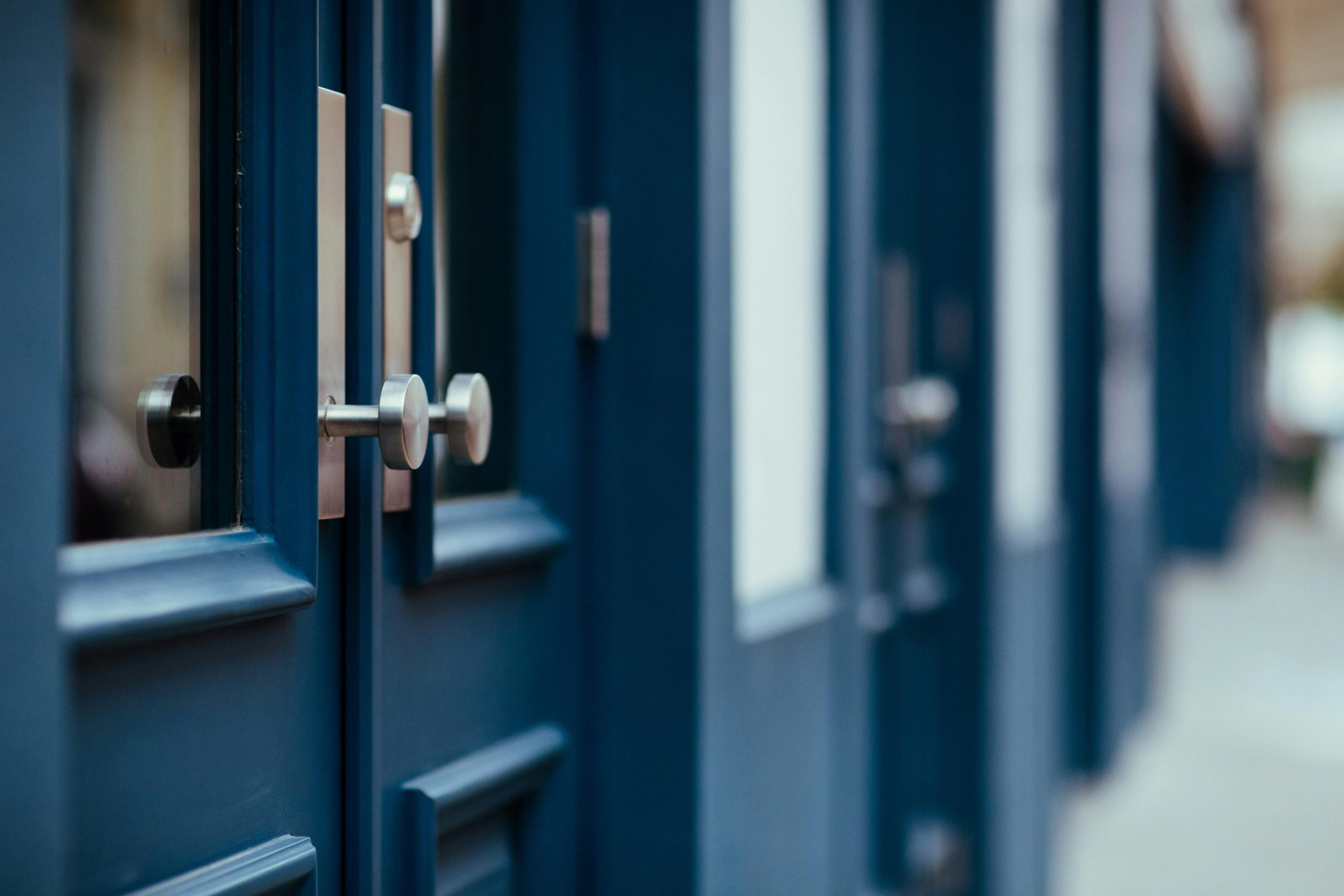
The integrity of door and window locks is fundamental to home security. High-quality locks serve as the first line of defense against unauthorized entry. Deadbolts are particularly effective; they provide a robust barrier that is much harder to pick or force open compared to standard spring bolt locks.
Homeowners should consider installing deadbolts on all exterior doors, ensuring that they are made from solid materials and have a minimum one-inch throw bolt for added security. Additionally, reinforcing door frames and hinges can further enhance the effectiveness of these locks, making it more difficult for intruders to gain access. Windows are another vulnerable point in home security.
Many homeowners overlook the importance of window locks, which can be easily compromised if not properly secured. Installing window locks that are specifically designed for security can significantly reduce the risk of break-ins. Furthermore, using window film can add an extra layer of protection; this film makes glass more shatter-resistant, complicating entry for potential intruders.
For those living in areas with higher crime rates, investing in smart locks that offer keyless entry and remote monitoring can provide peace of mind. These locks can be programmed to send alerts when someone attempts to access the home, allowing homeowners to respond quickly to potential threats.
Security Cameras
The presence of security cameras can act as both a deterrent and a means of monitoring activity around a property. Modern surveillance systems come equipped with high-definition video capabilities, night vision, and motion detection features that allow homeowners to keep an eye on their property at all times. For example, a camera positioned at the front door can capture footage of anyone approaching the home, providing valuable evidence in case of a break-in or vandalism.
Many systems now offer cloud storage options, enabling homeowners to access recorded footage from anywhere via their smartphones or computers. In addition to traditional fixed cameras, homeowners may also consider installing pan-tilt-zoom (PTZ) cameras that allow for greater flexibility in monitoring large areas. These cameras can be remotely controlled to focus on specific areas of interest, providing comprehensive coverage of the property.
Integrating security cameras with smart home systems enhances their functionality; for instance, some cameras can send real-time alerts to homeowners when motion is detected or when someone rings the doorbell. This level of connectivity not only increases security but also provides convenience, allowing homeowners to monitor their property even when they are miles away.
Alarm Systems
Alarm systems are a cornerstone of residential security, providing an audible alert in the event of unauthorized entry. A well-designed alarm system typically includes door and window sensors that trigger an alarm when breached. Many modern systems also incorporate glass break sensors that detect the sound of breaking glass, adding another layer of protection for vulnerable entry points.
When an alarm is triggered, it can notify both the homeowner and local authorities, ensuring a rapid response to potential threats. In recent years, alarm systems have evolved significantly with advancements in technology. Smart alarm systems now offer features such as remote monitoring and control through mobile applications.
Homeowners can arm or disarm their systems from anywhere, receive real-time alerts about suspicious activity, and even view live camera feeds directly from their devices. Some systems integrate with other smart home devices, allowing for automation scenarios where lights flash or sirens sound in conjunction with the alarm being triggered. This interconnectedness not only enhances security but also provides homeowners with greater control over their living environment.
Motion-Activated Lights
Motion-activated lights serve as an effective deterrent against intruders while also enhancing safety for residents and visitors alike. These lights automatically turn on when they detect movement within a specified range, illuminating dark areas around the property and making it difficult for anyone to approach unnoticed. For instance, placing motion-activated lights near entryways or along pathways can significantly reduce the risk of accidents during nighttime hours while simultaneously discouraging potential burglars who prefer to operate under the cover of darkness.
The versatility of motion-activated lights extends beyond mere security; they can also be used to enhance outdoor living spaces. Homeowners can install these lights in gardens or patios to create a welcoming atmosphere for evening gatherings while ensuring that any unexpected visitors are promptly illuminated. Additionally, many modern motion-activated lights come equipped with adjustable sensitivity settings and timers, allowing homeowners to customize their operation based on specific needs or preferences.
This adaptability makes them an invaluable addition to any comprehensive home security strategy.
Garage Security
Garages often contain valuable items such as vehicles, tools, and equipment, making them prime targets for theft. To bolster garage security, homeowners should start by ensuring that all doors leading into the garage are equipped with high-quality locks similar to those used on exterior doors. Installing deadbolts on garage doors adds an extra layer of protection against forced entry.
Additionally, reinforcing the door frame and using heavy-duty hinges can make it more difficult for intruders to gain access. Another effective measure is to invest in a garage door opener with rolling code technology. This feature changes the access code each time the remote is used, preventing thieves from easily duplicating codes to gain entry later.
Homeowners should also consider installing security cameras focused on the garage area; this not only deters potential thieves but also provides valuable evidence if a break-in occurs. Furthermore, keeping garage windows covered or using frosted glass can prevent outsiders from seeing valuable items inside, reducing temptation and enhancing overall security.
Landscaping and Shrubbery
Landscaping plays a crucial role in home security that is often overlooked. Overgrown shrubs and trees can provide cover for intruders looking to approach a home unnoticed. To mitigate this risk, homeowners should maintain their landscaping by regularly trimming bushes and trees near windows and entry points.
Keeping these areas well-lit and clear of obstructions not only enhances visibility but also reduces hiding spots for potential burglars. Incorporating thorny plants or dense hedges around vulnerable areas can serve as an additional deterrent against intruders. For example, planting rose bushes or holly near windows can create a natural barrier that is both aesthetically pleasing and protective.
Additionally, using gravel or decorative stones in landscaping can create noise when walked upon, alerting homeowners to any unauthorized movement around their property. By thoughtfully designing landscaping with security in mind, homeowners can create an environment that is both beautiful and safe.
Mail and Package Security
With the rise of online shopping, package theft has become an increasingly common concern for homeowners. To combat this issue, individuals should consider implementing strategies that enhance mail and package security. One effective approach is to have packages delivered to secure locations such as lockers or designated delivery points rather than leaving them on doorsteps where they are vulnerable to theft.
Many delivery services now offer options for secure drop-off locations that require a code or key for access. Another solution is to invest in smart mailbox systems equipped with locking mechanisms or cameras that monitor deliveries. These mailboxes provide added protection against theft while allowing homeowners to receive packages without worry.
Additionally, establishing a neighborhood watch program can foster community vigilance; neighbors can keep an eye out for suspicious activity and report any concerns regarding package thefts or unusual behavior in the area.
Fire Safety
Fire safety is an essential aspect of home security that often goes unaddressed until it’s too late. Installing smoke detectors throughout the home is crucial; these devices should be placed in every bedroom, hallway, and common area to ensure early detection of smoke or fire. Regular maintenance is equally important; homeowners should test detectors monthly and replace batteries at least once a year or whenever they emit low-battery alerts.
In addition to smoke detectors, having fire extinguishers readily available in key areas such as the kitchen and garage is vital for immediate response during a fire emergency. Homeowners should familiarize themselves with how to use these extinguishers effectively and ensure they are easily accessible yet out of reach of children. Creating an escape plan that includes multiple exit routes from each room can further enhance fire safety; practicing this plan regularly ensures that all family members know what to do in case of an emergency.
Insulation and Weather Stripping
While often associated with energy efficiency rather than security, proper insulation and weather stripping play a significant role in protecting homes from external threats. Gaps around doors and windows not only allow drafts but also provide easy access points for intruders looking to exploit weaknesses in a home’s defenses. By sealing these gaps with high-quality weather stripping or caulking materials, homeowners can enhance both energy efficiency and security.
Additionally, investing in insulated doors and windows can provide added protection against forced entry attempts while improving overall comfort within the home. Double-pane windows are particularly effective; they not only offer better insulation but are also more difficult to break than single-pane alternatives. By addressing insulation and weather stripping as part of a comprehensive home security strategy, homeowners can create a more secure living environment while simultaneously reducing energy costs.
Emergency Preparedness
Emergency preparedness encompasses various aspects of home security beyond just protecting against intruders or fire hazards; it involves being ready for any unexpected situation that may arise. Homeowners should develop an emergency plan that includes communication strategies for family members during crises such as natural disasters or medical emergencies. This plan should outline designated meeting points outside the home where family members can regroup if separated.
Creating an emergency kit stocked with essential supplies is another critical component of preparedness planning. This kit should include items such as non-perishable food, water, first aid supplies, flashlights, batteries, and important documents stored in waterproof containers. Regularly reviewing and updating this kit ensures that it remains ready for use when needed most.
By prioritising emergency preparedness alongside traditional security measures like locks and alarms, homeowners can foster resilience against various threats while ensuring the safety and well-being of their families.